
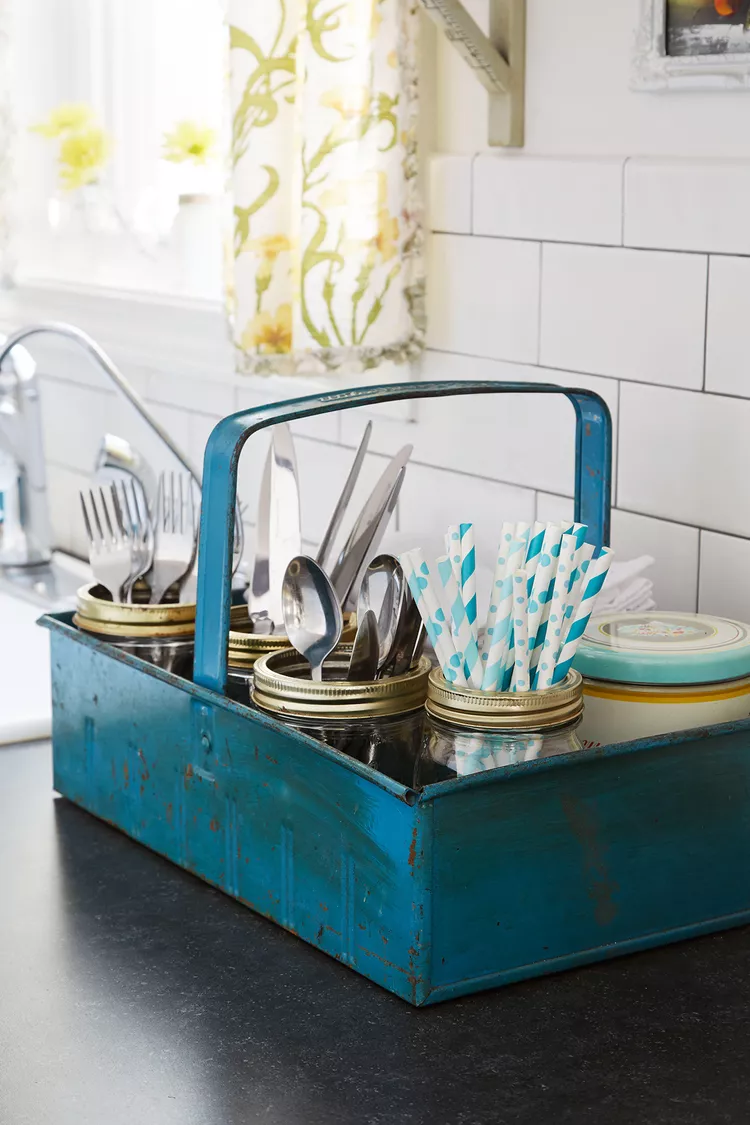
Small surfaces become messy quickly because everyday objects rarely have defined boundaries. A decorative tray gives keys, bottles, candles, remotes, jewelry, and similar items a visual home without requiring drawers or additional furniture.
The tray itself is only part of the solution. Its size, shape, and contents determine whether the surface feels organized or crowded.
Match the Tray to the Surface
A tray should occupy enough space to feel intentional while leaving visible surface around it. On a narrow console, an elongated tray usually fits better than a large round one.
Coffee tables can handle broader shapes, while nightstands and bathroom counters often need something compact.
People comparing surface styling concepts may notice that leaving uncovered space is often as important as the objects placed on the furniture.
Group Items That Are Used Together
Organization becomes easier when the tray reflects an actual routine. An entry tray might hold keys, sunglasses, and a wallet. A bathroom version could contain daily skincare items.
This reduces the number of objects that spread across the surrounding surface.
You can adapt tabletop decor ideas to practical areas by choosing decorative pieces that also support the way the surface is used.
| Surface | Useful Tray Contents | Leave Outside |
|---|---|---|
| Entry console | Keys, wallet, sunglasses | Mail piles |
| Coffee table | Remote, candle, coasters | Large books |
| Nightstand | Watch, glasses, small items | Water pitcher |
| Bathroom counter | Daily products | Backup supplies |
Use Height to Keep the Arrangement Interesting
A tray filled with objects of identical height can feel flat. Mix one taller item, such as a small vase, with lower objects like a candle, dish, or stacked coasters.
The difference doesn’t need to be dramatic. Even modest height variation gives the group more structure.
For wider home organization ideas, look for systems that distinguish frequently used objects from items that should be stored elsewhere.
Limit the Number of Tiny Objects
Many small objects can turn a tray into a clutter container. Put loose jewelry, coins, clips, or other tiny pieces inside one small bowl instead of displaying each item separately.
Choose Materials That Suit the Room
Wood trays add warmth, metal creates sharper contrast, and woven materials introduce texture. Stone or ceramic versions can feel more substantial on bathroom vanities and bedside furniture.
Consider maintenance too. A deeply textured tray may be attractive but inconvenient in an area where makeup, drinks, food, or water regularly spills.
A practical tray should be easy to lift and clean.
Where Decorative Trays Become More Clutter
A tray doesn’t automatically create organization. If every loose object gets placed inside it, the tray eventually becomes a smaller version of the original mess.
Oversized trays can cause another problem by consuming almost the entire tabletop. Once that happens, you may start stacking objects inside simply because space exists.
Keep only the items that belong to the surface’s main purpose. Everything else should move to storage rather than joining the arrangement.
Frequently Asked Questions
What should you put on a decorative tray?
Choose a small group of items connected to the surface’s function. Useful combinations include keys and sunglasses in an entryway, remotes and coasters on a coffee table, or daily toiletries on a vanity.
Are round or rectangular trays better?
Neither is universally better. Rectangular trays suit narrow consoles and tables, while round trays can soften furniture with many straight lines. Choose based on available surface area and the objects you need to contain.
How do you keep a tray from looking cluttered?
Leave some of the tray base visible, vary object heights, and remove items that aren’t used regularly. Small loose pieces can be collected inside a bowl or box within the tray.
Give Everyday Objects a Clear Boundary
The most useful decorative tray isn’t the one holding the most accessories. It is the one that defines where a few necessary items belong while preserving open space around them. Match the tray to the surface, group objects according to routine, and edit it whenever unnecessary items begin accumulating. Organization stays easier when the boundary remains visible.


