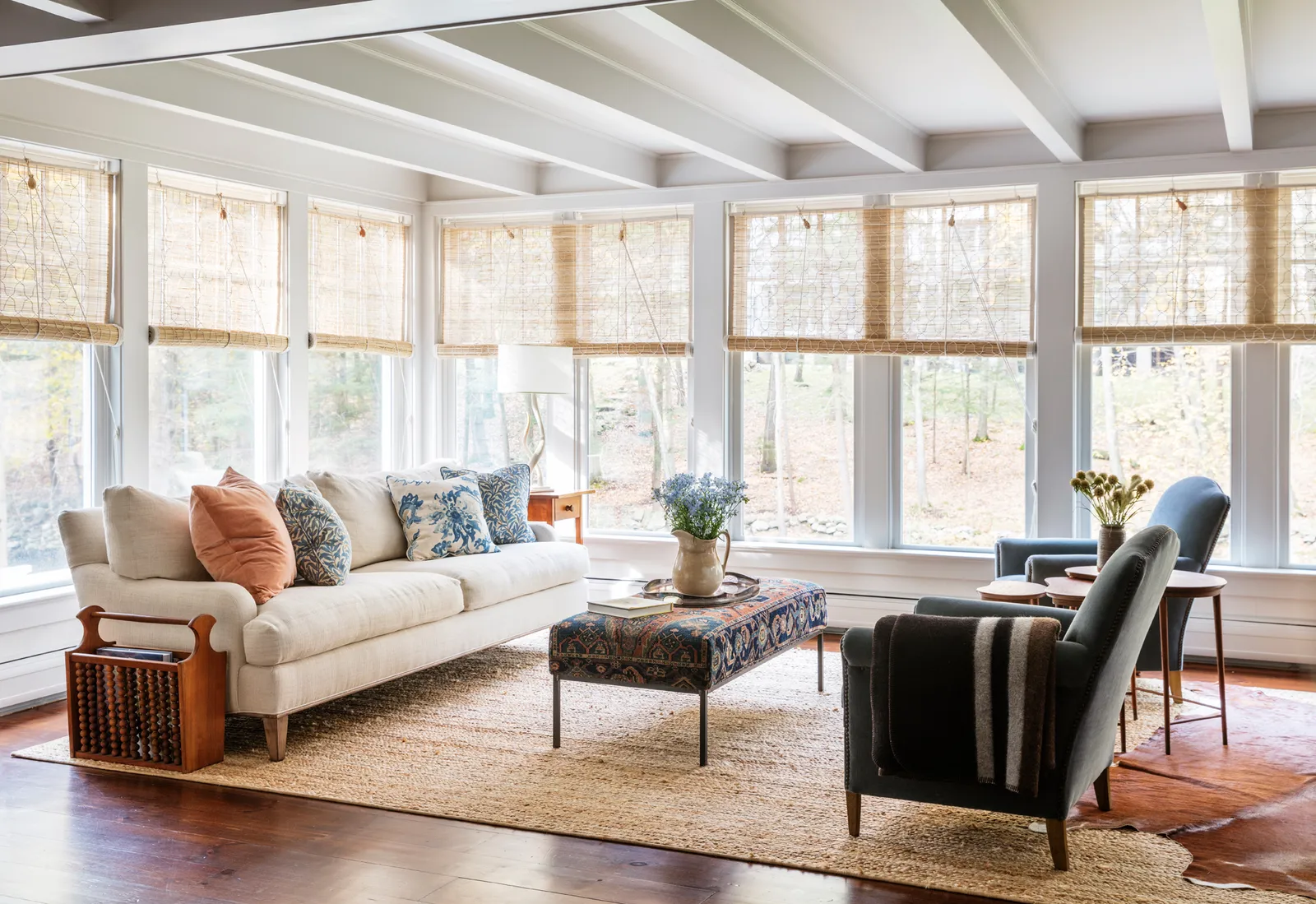
A room that becomes uncomfortable every afternoon may have a solar-gain problem rather than an undersized air conditioner. Practical sun control ideas reduce the amount of solar energy reaching windows and interior surfaces before the cooling system must remove that heat. The strongest solutions usually combine exterior shading, suitable window coverings, and sensible room planning.
Identify Which Windows Drive the Temperature Rise
Notice when the room starts warming and which windows receive direct sunlight at that time. West- and southwest-facing glass often produces strong late-day heat gain because the sun reaches the window at a lower angle.
Large uncovered windows can also warm floors, furniture, and walls. Those surfaces continue releasing heat after direct sunlight moves away, so the room may stay uncomfortable into the evening.
Check the Room at Peak Sun
Stand in the space during the problem period rather than evaluating it only in the morning. The location of bright patches on the floor and furniture quickly shows where shading will have the greatest effect.
Stop Sunlight Before It Reaches the Glass
Exterior shading can be particularly effective because it intercepts sunlight before it passes through the window. Depending on the building, options may include awnings, exterior shades, shutters, pergolas, vegetation, or roof overhangs.
Design examples from home styling references can help integrate shading with the room’s appearance. The key is choosing a solution that blocks troublesome afternoon sun without making the space unnecessarily dark all day.
| Sun-Control Method | Best Use | Tradeoff |
|---|---|---|
| Exterior shade | Strong direct sunlight | Installation can be more involved |
| Cellular shade | Interior window control | Works after sunlight reaches glass |
| Reflective film | Persistent solar exposure | Can alter glass appearance |
| Curtains | Flexible seasonal control | Must be closed to work |
Choose Interior Coverings for Function as Well as Style
Blackout curtains can reduce light substantially, but they aren’t the only option. Cellular shades, lined drapes, solar shades, and layered treatments offer different balances between view, glare, privacy, and heat control.
Looking through window-conscious layouts can help coordinate treatments with furniture placement. A workstation directly in a beam of afternoon sun may remain uncomfortable even when the overall room temperature appears acceptable.
Reduce Heat Stored Inside the Room
Dark floors, stone surfaces, and furniture exposed to intense sunlight can absorb heat and release it gradually. Preventing direct exposure can therefore improve comfort beyond simply reducing glare.
For rooms designed around sofas and relaxation areas, lounge styling concepts may also help with seating placement. Moving frequently used seating away from hot glass or direct beams can improve perceived comfort without changing the thermostat.
What People Often Misjudge About Afternoon Heat
Lowering the thermostat aggressively is often the first reaction to an overheated room. Yet if strong sunlight continues entering through exposed glass, the cooling system is being asked to fight an ongoing heat source.
Another mistake is assuming every window treatment performs the same job. A light-filtering shade designed mainly for privacy may reduce glare while still allowing significant solar energy into the room.
Frequently Asked Questions
Are curtains enough to stop afternoon heat?
They can help, especially when lined or designed for stronger light control, but exterior shading generally stops solar energy earlier. The best approach depends on window orientation, climate, appearance, budget, and how much daylight you want to preserve.
Does window film reduce room heat?
Certain solar-control films can reduce solar heat gain and glare. Film compatibility varies by glass type and window construction, so manufacturer guidance and warranty requirements should be checked before installation.
Why does the room stay hot after sunset?
Floors, furniture, walls, and other surfaces may have absorbed solar energy during the afternoon. They can release that stored heat gradually, while the room and HVAC system take time to return to a more comfortable temperature.
Block the Heat at Its Source
Observe the room during the exact hours when overheating occurs, then target the windows and surfaces receiving direct sun. Exterior shading can be especially useful where practical, while interior treatments add flexibility and privacy. Reducing the incoming solar load usually makes more sense than repeatedly lowering the thermostat and overcooling the rest of the house.