

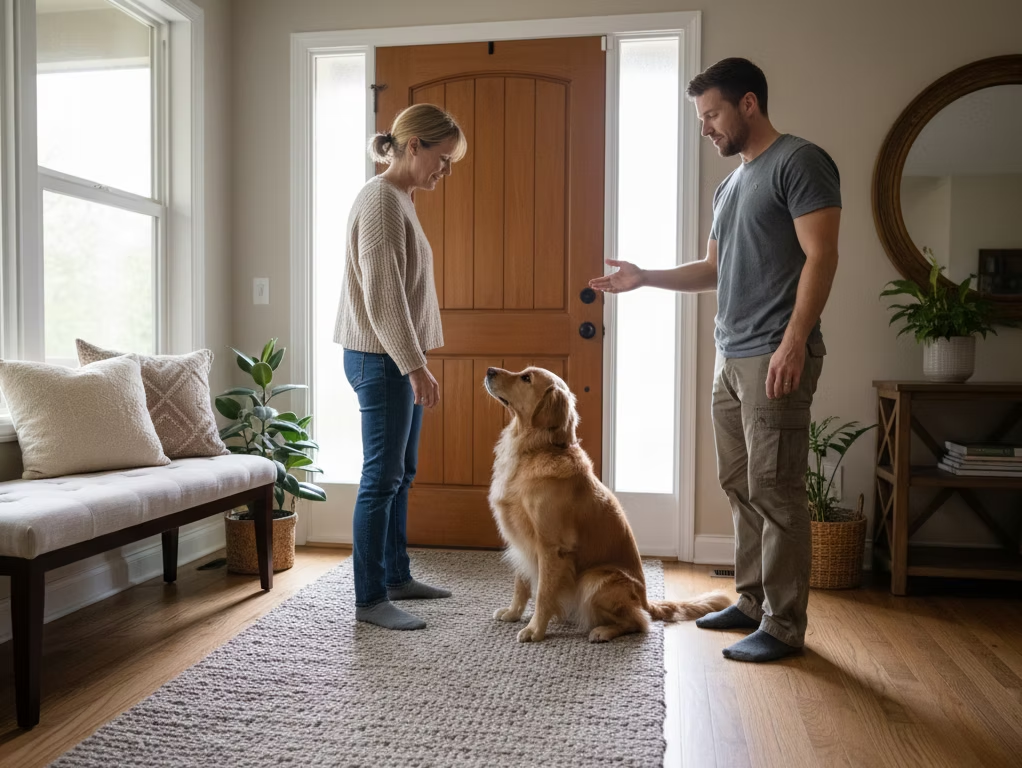
Finding the right Arizona dog trainer is about more than teaching a dog to sit, stay, or come when called. Effective dog training should help dogs respond reliably in everyday situations, remain calm around distractions, and understand what their owners expect.
Arizona dogs experience everything from busy neighborhoods and public spaces to unfamiliar people, other animals, heat, travel, and changing routines. Training should prepare them for real-life situations rather than focusing only on obedience in a controlled environment.
Whether you have a puppy that needs structure, an adult dog struggling with manners, or a companion that needs more advanced obedience, the right approach starts with understanding the individual dog. Rob’s Dog Training provides structured training options designed to address different dogs’ needs and help owners build reliable skills that carry into daily life.
What Should an Arizona Dog Trainer Teach?
A professional trainer should look beyond a list of commands. The goal is to create communication that works consistently in different environments.
A strong dog training program may address:
- Basic obedience such as sit, stay, down, and come
- Leash manners and calm walking
- Reliable recall around distractions
- Impulse control and patience
- Jumping, barking, or other unwanted behaviors
- Appropriate behavior around people and dogs
- Household manners and boundaries
- Owner communication and consistency
These skills are connected. A dog that understands how to respond to its owner is more likely to make appropriate choices when distractions appear.
Training also becomes more useful when owners understand how to reinforce those behaviors after formal sessions end.
Why Real-World Practice Matters
Dogs do not behave the same way in every environment. A dog that responds perfectly to “come” inside the house may hesitate when another dog, person, smell, or exciting movement captures its attention outdoors.
That is why effective obedience training should gradually introduce distractions.
Start in a familiar environment, then increase difficulty as the dog becomes more reliable. For example, a loose-leash walking exercise might begin in a quiet room before moving to a backyard, neighborhood sidewalk, and busier public setting.
The same principle applies to recall, stay, place, and other commands.
The objective is not simply to make a dog perform a behavior during a training session. It is to build reliability that carries into everyday life.
Arizona Dog Trainer Programs Should Fit the Dog
Not every dog needs the same training plan. Age, temperament, energy level, previous experience, behavior patterns, and the owner’s goals can all affect what approach makes sense.
A puppy may need foundational obedience, socialization, house manners, and appropriate boundaries. An adult dog may need help with leash pulling, jumping, barking, recall, or other established habits.
Owners should therefore look for a trainer who evaluates the dog instead of applying the exact same program to every situation.
Consider the Owner’s Role, Too
Dog training is not only about changing the dog’s behavior. Owners need to know how to communicate clearly and reinforce expectations consistently.
This is especially important when training takes place away from home. If a dog learns a behavior but the owner does not understand how to maintain it, progress can fade once the formal program ends.
A useful training program should give owners practical direction they can apply during walks, meals, playtime, visitors, and other everyday situations.
Choosing Between Private Lessons and Board & Train
Different training formats can work for different households.
Private lessons may suit owners who want to participate directly in their dog’s training. One-on-one instruction allows the trainer to work with both the dog and owner while addressing specific goals and behavior concerns.
Board & train can be useful for owners with demanding schedules or dogs that benefit from consistent, structured practice. The dog stays with trainers and receives regular training throughout the program.
However, neither option should be viewed as a shortcut that eliminates the owner’s responsibility. Successful training requires a transition from structured instruction to everyday life.
Rob’s Dogs currently offers both private lessons and Board & Train programs, with its Board & Train program combining residential care with obedience, manners, and behavior work. The company also provides owner guidance when dogs return home.
5 Ways to Reinforce Dog Training at Home
Professional instruction becomes more valuable when owners consistently practice the same expectations at home.
1. Use Clear Commands
Choose simple commands and use them consistently. Changing the wording or expectations from one situation to another can make it harder for a dog to understand what is expected.
2. Reward the Behavior You Want
Dogs need clear feedback. When a dog performs the desired behavior, provide appropriate reinforcement so it can recognize which action produced the positive outcome.
3. Practice in Short Sessions
Long sessions can become frustrating or unproductive. Short, focused exercises throughout the day can provide repeated opportunities to practice without overwhelming the dog.
4. Add Distractions Gradually
Do not expect a dog to immediately perform a new behavior in the most challenging environment. Increase distractions step by step as reliability improves.
5. Make Training Part of Daily Life
Training does not have to happen only during formal sessions. Ask for a calm sit before opening a door, practice leash manners during walks, or reinforce a reliable stay while handling routine household activities.
These small repetitions help turn individual commands into everyday habits.
How to Evaluate a Professional Dog Trainer
Before choosing a trainer, ask questions that reveal how the program actually works.
Consider:
- Does the trainer assess the individual dog?
A professional should consider the dog’s behavior, temperament, experience, and training goals. - Does the program address real-life behavior?
Training should prepare dogs to respond outside a quiet training environment. - Will the owner receive guidance?
Owners need practical skills for maintaining progress between sessions. - Are the services clearly explained?
You should understand what the program includes, how long it takes, and what is expected from you. - Does the trainer have experience with your dog’s needs?
Ask about experience with puppies, adult dogs, obedience, manners, leash behavior, recall, or specific behavioral concerns.
A professional assessment can also help determine whether private instruction, Board & Train, or another training approach is appropriate.
Training Should Build More Than Obedience
Good dog training is ultimately about communication, safety, and a better relationship between dogs and their owners.
A dog that responds reliably can be easier to manage during walks, around visitors, and in unfamiliar environments. Owners can also gain a better understanding of how to communicate expectations and reinforce appropriate behavior.
The best results do not come from simply memorizing commands. They come from repetition, consistency, appropriate challenges, and an approach suited to the individual dog.
Finding the Right Arizona Dog Trainer
Choosing an Arizona dog trainer should begin with the dog’s actual needs rather than a generic list of services. Look for a professional who evaluates behavior, provides structured training, prepares dogs for real-world distractions, and teaches owners how to maintain progress.
Rob’s Dogs provides Board & Train and private lessons, along with dog boarding at its K9 Performance Center. Its website also offers training resources covering topics such as house training, socialization, leash training, and muzzle introduction.
For Arizona dog owners, the right training plan can make everyday communication clearer and help create a dog that is more reliable, manageable, and confident in real-life situations.