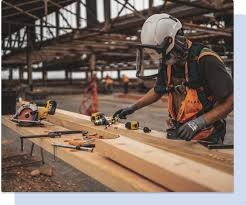
Stick framing continues to be one of the most trusted and versatile construction methods in residential and light commercial building. Whether you’re a homeowner exploring options for your next project or a builder refining your craft, understanding the fundamentals and advanced strategies of stick framing is essential for achieving strong, efficient structures that stand the test of time.
In this guest post, we’ll dive into what stick framing is, why it remains a go‑to choice in modern construction, how the process works, and actionable tips to improve quality, safety, and cost‑effectiveness on every build.
What Is Stick Framing (And Why It Still Matters)
Stick framing builds a structure piece by piece using standardized lumber (typically 2x4s, 2x6s). Unlike panelized or modular construction, it takes place on site, allowing flexibility in design and adaptation to unique projects.
This method is valued for:
- Flexibility – Easily customizable to complex plans
- Cost-effectiveness – Lower material and labor costs
- Local labor familiarity – Most carpenters are trained in stick methods
- Repairability – Easy access for future maintenance
With proper planning and experienced professionals like Ike MN Construction, stick framing improves both quality and longevity.
The Core Elements of Stick Framing
- Studs: Vertical members spaced (commonly 16″ on center) forming walls.
- Top and Bottom Plates: Horizontal boards tying walls together.
- Headers: Reinforced framing above openings to transfer weight.
- Joists and Rafters: Form floors and roofs.
- Bracing: Diagonal supports for lateral stability.
Each element must be measured, cut, and secured carefully to avoid issues like sagging floors or insulation problems.
How Stick Framing Works Step‑by‑Step
Foundation & Layout: Pour foundation (slab, crawl space, or basement). Snap chalk lines for walls.
Floor Framing: Install sill plates, floor joists, and subfloor panels.
Wall Framing: Build walls flat, raise, and secure. Ensure plumb.
Openings: Frame windows and doors; install headers and cripple studs.
Roof Framing: Set rafters or trusses, install collar ties and ridge boards.
Sheathing: Apply plywood or OSB, add house wrap or moisture barrier.
Inspection & Adjustment: Have local officials inspect and make adjustments before proceeding.
Each step requires precision and coordination to ensure structural integrity and compliance.
Stick Framing Best Practices for 2026
As building codes and sustainable practices evolve, so do the best practices for stick framing. Here are expert‑level strategies that help construction projects stay ahead of the curve.
Prioritize Precise Layouts
Accurate measurement at the beginning reduces material waste and rework. Use:
- Laser levels
- Plumb bobs
- Framing squares
This prevents common issues like misaligned walls and uneven floors.
Choose Quality Materials That Last
Not all lumber is created equal. Look for:
- Certified straight boards to minimize warping
- Kiln‑dried lumber to reduce moisture problems
- Pressure‑treated wood where code or soil contact requires it
Better materials cost more upfront, but save significant time and expense during installation and long‑term maintenance.
Optimize for Energy Efficiency
Stick framing isn’t just about structure; it’s about performance. Improve insulation and reduce thermal bridging by:
- Using advanced wall systems (e.g., 2×6 walls instead of 2×4)
- Installing insulated headers or structural insulated panels (SIPs) in key areas
- Sealing all seams and penetrations meticulously
These upgrades support better energy savings and increased comfort for occupants.
Integrate Modern Tools for Precision and Speed
Technology keeps advancing, and the best contractors adopt smarter tools like:
- Framing software for layout planning
- Cut lists generated by digital modeling
- Mobile apps for real‑time on‑site communication
Modern tools not only increase accuracy but also improve team coordination.
Common Stick Framing Challenges (And How to Avoid Them)
Even seasoned builders face challenges during stick framing. Here’s how the pros prevent and solve them:
Wall Plumb Issues
Cause: Inaccurate studs or rushed installation
Solution: Use laser levels and double‑check alignment before sheathing.
Twisted Studs and Warping
Cause: Moisture in lumber or improper storage
Solution: Store lumber flat and dry; inspect boards before installation.
Incorrect Header Sizing
Cause: Miscalculation of load
Solution: Always consult load tables and code requirements, especially for larger openings.
When Stick Framing Is the Best Choice
Stick framing is ideal for:
- Custom homes with unique designs
- Renovations where flexibility matters
- Projects prioritizing local labor
- Budget‑conscious builds that don’t compromise quality
However, in some large commercial or high‑speed modular projects, panelized systems or trusses might offer advantages. The key is matching the method to project goals, something experienced builders excel at.
Stick Framing vs. Other Structural Methods
Stick framing stands out for its high flexibility, moderate cost, and balanced speed, making it ideal for custom homes and renovations. Panelized walls offer medium flexibility and cost, with faster construction, which works well for large developments. Modular or prefab systems provide low flexibility and higher cost but allow very fast builds, suited for standardized projects. Steel framing delivers medium flexibility and high cost, with fast construction, often used for commercial or fire-resistant buildings.
Each method has its advantages, but stick framing remains a versatile choice for many residential projects, combining adaptability, quality, and affordability.
How Ike MN Construction Excels in Stick Framing
At Ike MN Construction, stick framing isn’t just a method, it’s a craft backed by experience, precision, and accountability.
Here’s what sets us apart:
- Decades of combined carpentry expertise
- Certified professionals trained in modern framing best practices
- Commitment to structural excellence and building code compliance
- Transparent pricing and project planning for peace of mind
- Collaborative approach with homeowners and designers
We understand that every build is unique, and our stick framing services are tailored to support quality outcomes, on time and on budget.
Actionable Tips Before Your Next Build
Before starting a stick framing project, use this checklist to make a real difference:
- Get a detailed plan approved by a structural engineer.
- Verify local building codes.
- Choose lumber wisely and inspect deliveries.
- Prioritize precise layout and level work.
- Communicate regularly with your framing team.
- Conduct inspections before covering walls or roofs.
These steps help prevent delays and keep your build running smoothly. Stick framing remains a cornerstone of quality construction, balancing adaptability, cost-effectiveness, and long-term performance. Whether building a new home or an addition, understanding the fundamentals, and working with seasoned professionals, elevates your results.
For expert guidance or professional stick framing services, Ike MN Construction is ready to bring your vision to life with craftsmanship you can trust.
Ready to build smarter? Visit ikemnconstructions.com to request a quote, explore services, and start your project with confidence.